
CHÍLOLO DANCING
According to my research, there are many stories behind the Chílolo dancing culture. The Chílolo dance goes by different names across the Mixtec region, including regions like Guerrero. Each version has its own unique story. However, the name Chílolo is most commonly associated with the Oaxaca region.
The Chílolos are part of a traditional dance from the Mixtec region of Oaxaca, particularly in the town of Santiago Juxtlahuaca. This dance has a rich history and is deeply rooted in the cultural and religious practices of the Mixtec people. The Chílolos dance typically takes place during important festivities, such as the patron saint’s day celebrations. The dancers wear elaborate costumes, including masks that often depict animals, demons, or other fantastical creatures. These masks and costumes are believed to have protective and symbolic meanings, often representing the struggle between good and evil or the connection between humans and the spiritual world.
The dance itself is a vibrant and energetic performance, accompanied by traditional music. It serves not only as entertainment but also as a way to preserve and transmit cultural values and stories from one generation to the next. The Chílolos dance is a testament to the rich cultural tapestry of Oaxaca and its enduring indigenous traditions.
THE CHÍLOLO DANCE IN GUERRERO
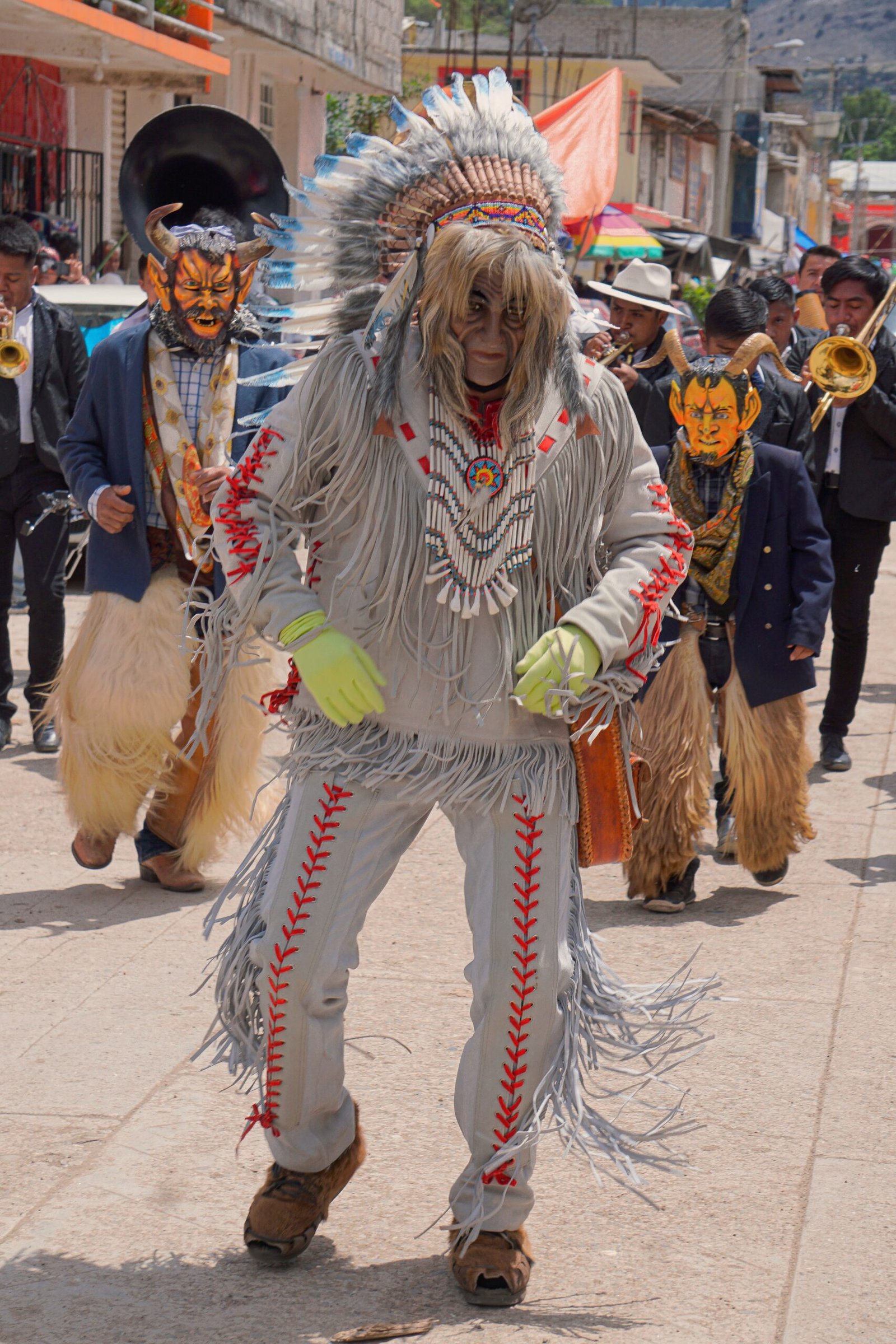
As for chílolo dancing from the state of Guerrero, their version of the dance is quite similar to Oaxaca’s versions. The dance is known as the Dance of the Devils. Which its roots comes from the Afro-Mexican communities of the Costa Chica region, in the state of Guerrero. This dance originated during the colonial period when African slaves were brought to Mexico.
The dance is a blend of African traditions and elements of indigenous and Spanish culture. The dancers usually wear masks and costumes that represent devils, carrying whips and dance movements that are energetic and sometimes humorous. The dance symbolizes the resistance and cultural adaptation of the enslaved Africans being forced to dance and being whipped by the Europeans, which are symbolized as the devils.
However, the dance is performed during various festivities, especially during the Day of the Dead and other religious community celebrations. It is a rich expression of Afro-Mexican identity and a testament to the cultural diversity of Mexico.
Leave a Reply